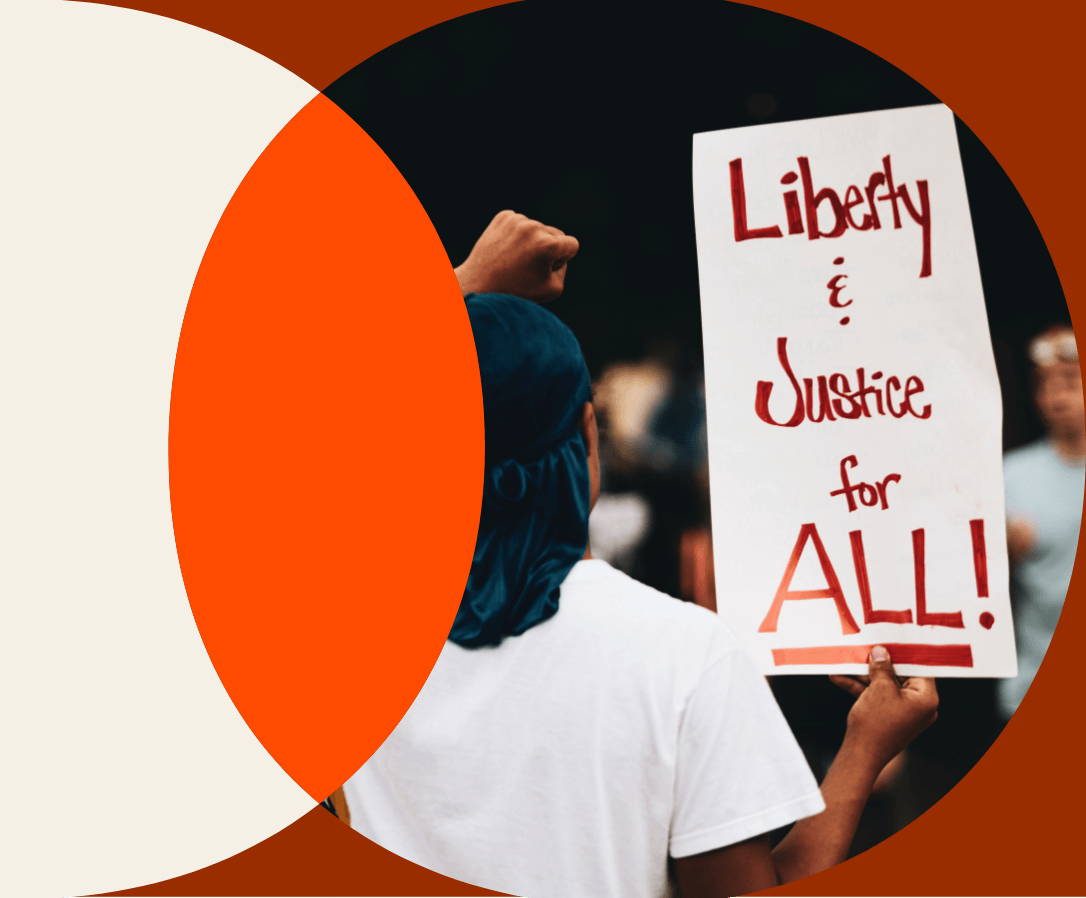
Justice for all
Led by members of our Empathy Network, we have launched Dignity for Incarcerated Women campaigns, improving living conditions for more than 30,000 women incarcerated in 14 states. We’ve spearheaded historic bipartisan federal reform legislation, including the First Step Act and CARES Act, that have brought more than 53,000 people home from behind bars.
The U.S. has the highest incarceration rate in the world — and leaders across party lines agree: it’s time for smarter, safer solutions. We work with directly impacted people and bipartisan policymakers to drive federal campaigns that reduce incarceration and expand opportunity.
We’re building on progress like the First Step Act while pushing forward bold solutions like the Clean Slate Act and the Fair Future Act because second chances should be real, not rare. We’re disrupting the prison industry by fighting back against new incarceration projects like FCI Letcher in Letcher County, KY.
Our focus: sentencing reform, reentry, housing access, economic mobility, and drug policy rooted in evidence — not punishment.
We don’t do this work alone. We partner with directly impacted leaders nationwide to make sure the people closest to the problem are leading the solutions.
The U.S. has the highest incarceration rate in the world, and both Republicans and Democrats agree we need solutions to safely and smartly reduce the prison population. Dream.Org’s Empathy Network works with directly impacted people and with politicians from both parties on strategic state and federal campaigns and policies designed to end the era of mass incarceration and strengthen our communities. Our issue areas include sentencing reform, conditions of confinement, economic empowerment for returning citizens, and drug policy.
This year, we are working on policy campaigns in six states: Arizona, Kentucky, Missouri, Pennsylvania, Washington, and Wisconsin. We are partnering with directly impacted Empathy Network leaders on the ground in every state, each of whom went through our summer advocacy training program - the Dream Justice Cohort.
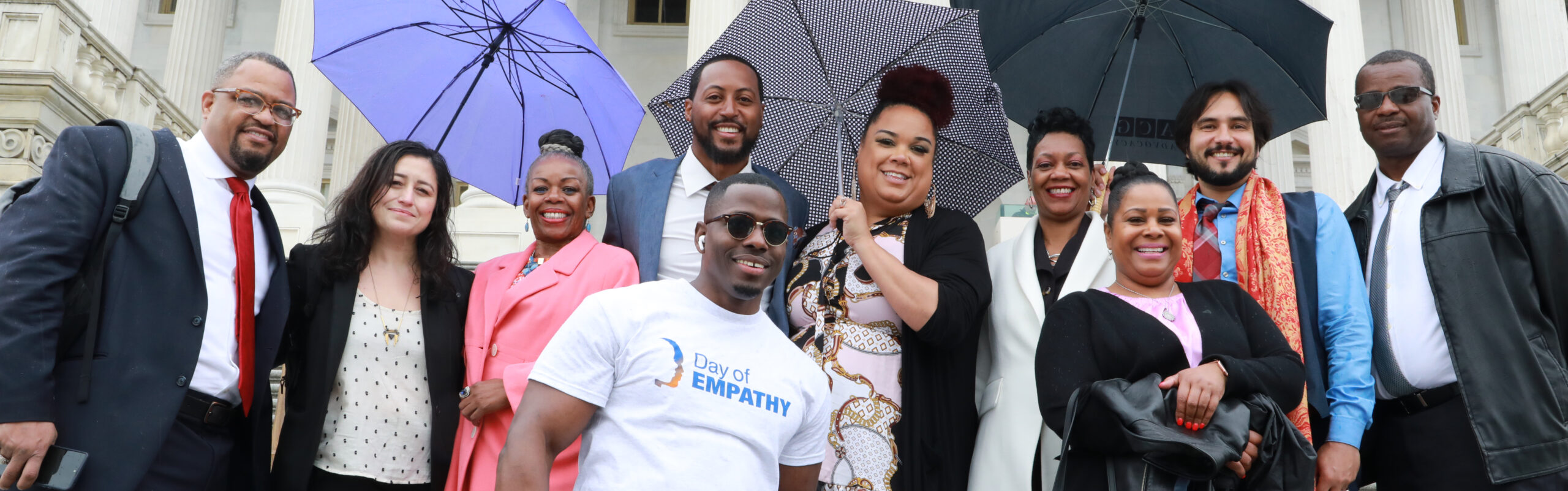
The most powerful voices in the fight for criminal justice reform are often those most impacted by the broken system. To amplify those voices we built the Empathy Network, America’s largest bipartisan community of formerly incarcerated activists, families and allies. Empathy Network leaders & members are on the front lines of our campaigns, our local partners on the ground, and our most effective messengers in Washington, D.C.
Learn more about the Empathy Network and how you can get involved in our national and local campaigns, and our training programs - including our summer-long advocacy cohort and young adult cohort.
At Dream.Org, we know that those who are closest to the problem are often those closest to the solution. That's why we created the Dream Justice Cohort, a training program created to provide justice-impacted leaders with the skills they need to change the criminal justice system – from organizing and advocacy to media skills.
Participants are joined by our talented staff and previous cohort graduates and receive the most innovative training for justice leaders across the country.
In 2024 in partnership with the NBA Foundation we created the Justice Next Cohort – a skill-building and leadership development program to empower and equip the next generation of young adults who are impacted by the criminal justice system or the climate crisis.
The Public Health is Public Safety Campaign is a multi-year initiative to reduce overdoses by promoting solutions that help people safely recover – because harsh punishment isn’t just inhumane – it also doesn’t work.
We are changing the narrative around drug use by building a strong coalition to support these life-saving efforts. Together, we can raise awareness, promote harm reduction, and advocate for policies that create a safer environment for people who use drugs, reduce the number of overdose deaths, and avoid sending more people to over-burdened jails and prisons.
When communities lack affordable housing, homelessness and poverty become issues that, by default, are poorly managed by the justice system rather than meaningfully addressed. Across the nation, harmful policies work to criminalize homelessness and create unnecessary barriers to safe, stable housing for justice-impacted people that only exacerbate public health issues and deteriorate community wellness. Though criminal justice and housing are intrinsically related issue areas, individuals with lived experience with the criminal legal system are all too often excluded from critical conversations.
Visit our Housing for All campaign page to see where we’re working to change that in Arizona, New York, Pennsylvania, and Wisconsin.
Federal cuts to the programs that actually prevent crime are putting communities at risk, and the Serious About Safety campaign is pushing back. Punitive crackdowns and mass incarceration have never delivered the safety Americans deserve. What has worked are investments in community violence intervention, mental health support, substance abuse treatment, and accountable policing. Baltimore recently saw homicides fall to their lowest levels in years. Newark recorded its lowest murder rate since 1953. Orlando saw a 68% drop in homicides. These shifts are the result of smart, community-centered strategies. The Serious About Safety campaign is fighting to bring these investments to scale and push back against federal funding cuts that are putting lives at risk.