Overdose Awareness Month: Justin Allen on Healing, Civic Power, and Second Chances
Overdose Awareness Day began on August 31st, 2001 as a small grassroots gathering for people to mourn loved ones who had been lost to overdose. Since then, it has grown to encompass the month of August and has become the world's largest annual campaign focused specifically on overdose prevention.
Dream.Org’s Public Health is Public Safety campaign is dedicated to reducing overdose deaths by stopping harsh drug laws and advocating for people-centered policy that can actually save lives. For this year’s Overdose Awareness Month, we are sharing the stories of the real people behind the work. In a series of interviews, three Dream.Org team members from across the country will open about their lived experience with overdose, how it shapes their current work, and their dream on the other side of the overdose epidemic.
_________________
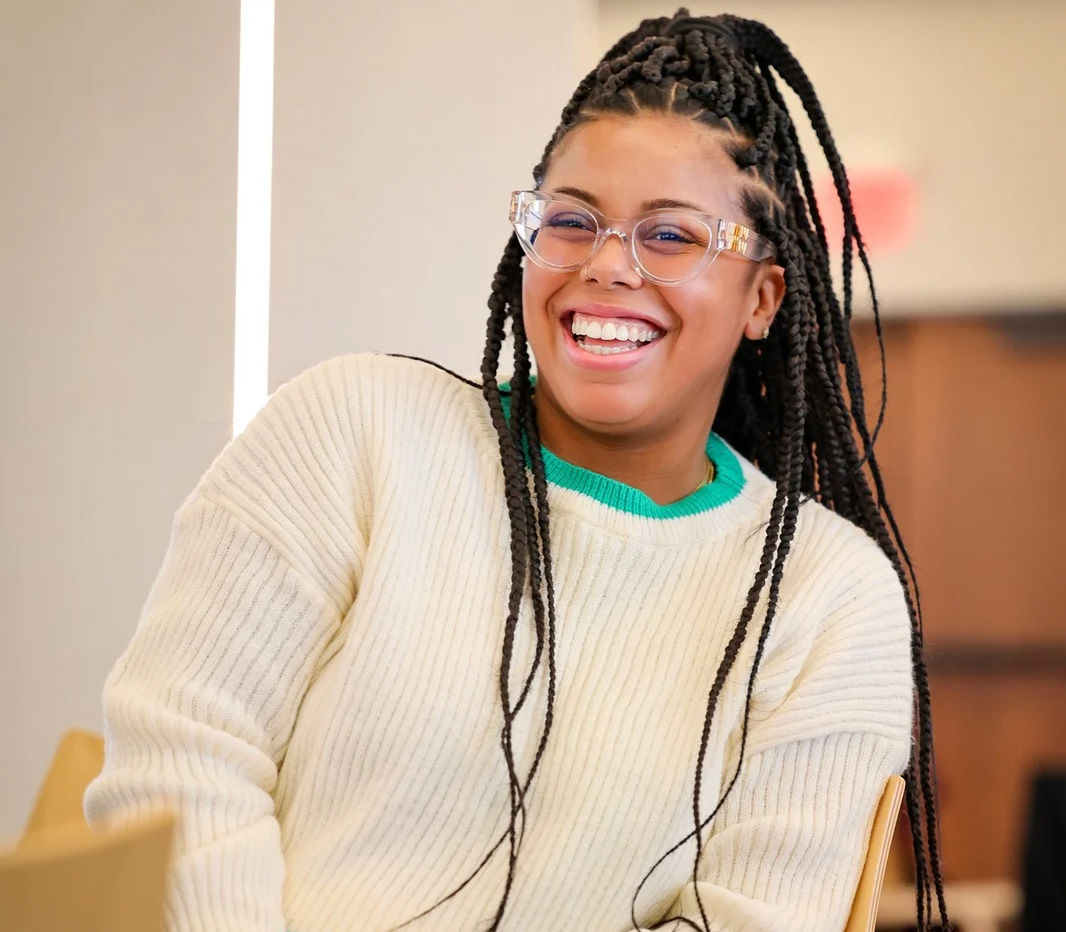
Justin Allen is the New Mexico Campaign Coordinator at Dream.Org. With a life-affirming commitment to inclusion and transformative justice, Justin brings purpose and dedication to transforming systems of harm into spaces of healing.
During this feature, Justin speaks of his personal journey through incarceration and substance use, his work restoring voting rights for people with felony convictions through the Inclusive Democracy project, and why the idea that "nobody is disposable" should be at the center of how we think about public safety.
Sara Stickney: Can you walk me through what a typical week looks like for you as the New Mexico Campaign Coordinator?
Justin Allen: Right now, I'm organizing a couple things. There’s an event on September 18th, called Voices Unlocked, where we're gonna discuss and demonstrate what public safety actually looks like. We’ll do that through comedy, spoken word, and different forms of expression because this is how we learn to heal ourselves and healing is at the center of this work.
It’s how we transform pain into purpose and for me, personally, I do a lot of journaling and I have a certain structure where I use metaphors and symbolism to express trauma. It's a practice that I learned inside. I used to journal a lot and never really shared it with anybody publicly until being around other people who have been sharing some of their own work in the community, it's encouraged me to kind of step out.
Sara Stickney: You came to this work through your own experience. How has your personal experiences shaped your work and dedication to the Public Health is Public Safety campaign?
Justin Allen: So, I consider my work purpose driven. A lot of what I hope to do or hope to be is a vessel. I’m not necessarily carrying the work of other people.
I've been a witness to a lot of things that happen inside prisons and jails and surviving some of those things have informed my understanding of how people are silenced and how violence perpetuates. Encouraging civic engagement is difficult with people who have experienced trauma. It begins by speaking our truth around people with shared experience who won't judge us and who validate our experiences. When I am comfortable sharing my experiences, others are encouraged to do the same. Creating safe intentional spaces is how I want to be a part of this.
I've been in other workspaces where organizing was more transactional and numbers driven. What's different with this work is our long-term relationships are not built on transactions. We might not be engaged on everything all the time, but when the time comes for us to advocate for something that really matters, like a policy change, we can all move together. And when I can't be up there, other people can.
Sara Stickney: When did you first feel that this sort of work could become a career for you?
Justin Allen: I struggled with substance use, specifically crack cocaine and methamphetamine. I took responsibility for the crimes I was convicted of but internalized a lot of what I believed about substance use. While I was inside, I began to understand the systems that were in place for substance use in New Mexico have failed a lot of people. I started reading and thinking more about it and learning the history, but I also started experiencing some of the things that I read about like human silencing or civil death. It was a parallel with felon disenfranchisement and I saw how intentional it was for recidivism.
There was a time I never thought I would get away from substances and what's changed for me is the connections I made. I would not be here today if it wasn't for the people that supported me, encouraged me and validated my experiences.
Sara Stickney: Can you talk about some of the work you've got coming down the pipeline and the impact of the projects themselves?
Justin Allen: There's a few things we're working on. The Inclusive Democracy project is about encouraging civic engagement. We'll have the Voices Unlocked event on September 18th here in Albuquerque at the First Congregational UCC. We've invited faith leaders, lawmakers, jail officials, correction officers, and impacted communities who are also comedians and artists.
For the Inclusive Democracy project, that goes back to the work that I started with. It’s not so much about voting rights itself, but the difference between being state property or a full citizen. A universal suffrage federal bill to never allow the government to strip the right to vote regardless of criminal conviction.
When I was allowed to participate and denied, it was upsetting and a discouraging fight, but I understood that if I had to go through that, other people would be discouraged in the same way . So I committed myself to restoration of voting rights for people on probation and parole. After we passed the bill, folks were still disenfranchised. Now, we're in the implementation phase where we must encourage civic engagement and encourage the idea that all democracy is not all about voting, it’s about belonging.
Sara Stickney: You’ve worked on the Unlock Civics Curriculum in New Mexico as well. Can you tell me more about that?
Justin Allen: Yes. Unlock Civics is the implementation piece and was replicated from Chicago Votes at DePaul University created by Dr. Christina Rivers and the Chicago Lawyers Committee. I attended a Civic Power convening, learned about it, and brought it back to New Mexico. The folks that I was organizing at the time replicated it to be New Mexico specific. It’s important to people in New Mexico because our curriculum includes all 42 correctional facilities in New Mexico, including jails and prisons, and who represents those jails and prisons.
The goal of Unlock Civics is to eventually implement an education module through Project ECHO UNM Health Sciences. It will intentionally include lifers and people with long prison sentences because they're typically excluded from some of the programming that prioritize short timers. If we truly want to reduce recidivism, we should be educating lifers and those with longer prison sentences because they're typically the educators, healers, and mentors behind the walls. By doing that, we're sending the message that nobody is disposable and that rehabilitation is possible.
If we're talking about public safety, we should be thinking about connecting with those deemed disposable by society.
Sara Stickney: New Mexico has its own particular challenges around incarceration and addiction. What's unique about doing this work here, compared to how you see it playing out in other states?
Justin Allen: Right now I think one of the challenges for substance use is access to treatment. I know that it's more difficult for a person to get long term care for specific drugs like methamphetamine or cocaine. People that are struggling with opiates, alcohol, or benzodiazepines are prioritized because of the risk of death or withdrawals.
I've witnessed it with a person who was unhoused and he was trying to get into an inpatient treatment program, but because he wasn't withdrawing physically from alcohol or opiates, he was put on a waiting list. The last time he was put on a waiting list he took a vehicle from nearby and ended up wrecking into another car and a twelve year old girl ended up getting killed in the car accident. And so I think that people should have access when they ask for it. A waiting list is not helpful for those who are really trying to get help immediately.
Sara Stickney: What do you want people outside of New Mexico to understand about this work that they might not get from the outside looking in?
Justin Allen: Well, I would like folks to consider what we've done in the past and what hasn't worked. I was in a legislative hearing not too long ago and one of the lawmakers made a good point. She said, “I hope we're not back here in three more years discussing the same thing.”
I believe we need to start investing in communities and root causes rather than carceral solutions.
Sara Stickney: What is one belief about addiction that you would like people to unlearn?
Justin Allen: Disposability is not a public safety strategy.
Sara Stickney: You've talked about being a big believer in the earth and having a groundedness to you. How do you bring that into your advocacy work?
Justin Allen: I decompose the stuff that's not working and turn it into valuable nutrients.
Grounding is important for the work we do. We're in constant communication with people and we do work with a lot of people who have experienced trauma. So spending the weekends grounding is actually working in the dirt, working in the garden and taking care of things. I imagine I'm pulling out all the bad things and then putting good stuff back and it's symbolic of how I'm processing some of the work that's hard.
Sara Stickney: The final question I have is, what is your dream for New Mexico?
Justin Allen: My dream is a New Mexico where we approach public safety from the perspective that nobody is disposable.