Decriminalizing Addiction: A Fight for Freedom and Purpose
Jessica Nelson, a Lexington, Kentucky resident and peer support advocate, has lived through a 20-year battle with opioid use disorder. Her journey has been one of recovery, redemption, and relentless advocacy for decriminalizing addiction and treating it as a health issue.. Today, she’s on the frontlines of recovery support, working to ensure others struggling with substance use disorders don’t fall through the same cracks that she did years ago.
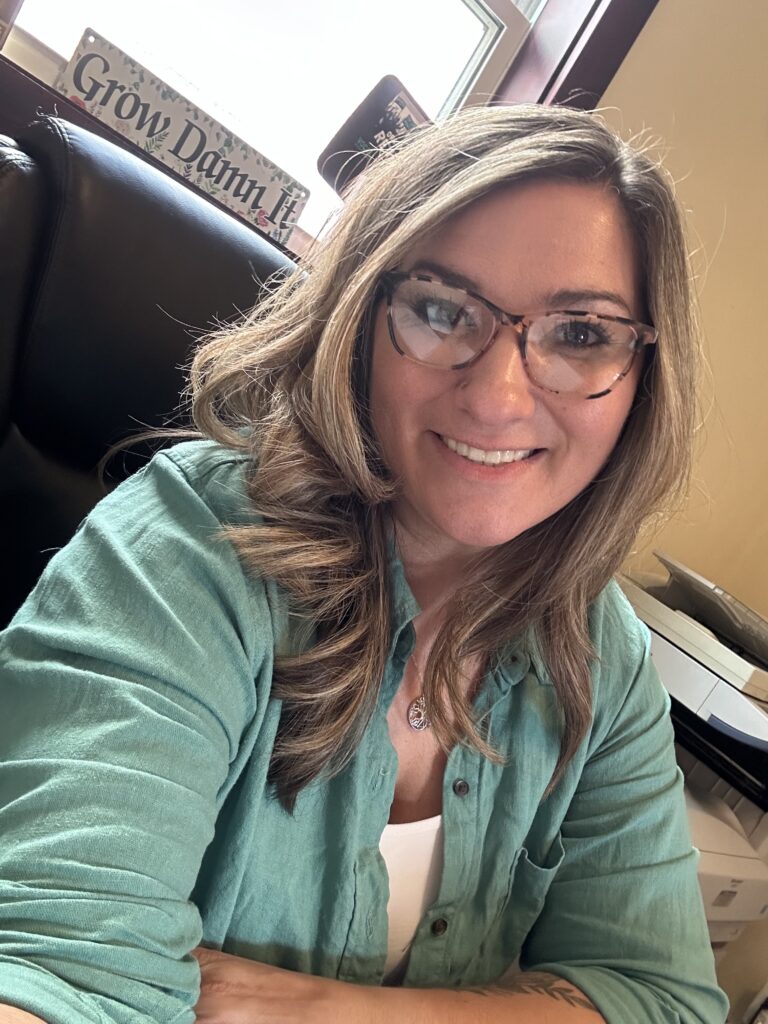
My life has been shaped by my many roles: mother, counselor, and a person in long-term recovery. The opioid epidemic, which has devastated families and communities across the country, hit home for me, leaving a profound impact not just on myself, but on the personal connections I cherish, most importantly my bond with my beautiful daughter.
Two Decades of Addiction and Loss
My relationship with opioids began young, and for nearly two decades, addiction consumed me. Those years are marked by relentless loss in almost every sense of the word. People and things that I valued and held dear simply disappeared from my life, job, home, family, friends, and of course, most heartbreakingly, the ability,and then the legal right,to care for my daughter. My family, in their love and desperation, moved me across cities and states, hoping to shield us from the stigma. But no move could shelter us from the harsh realities of substance use disorder.
Punished, Not Treated: Addiction in the Kentucky Legal System
As it has for so many others, my addiction didn’t just bring on familial issues, but legal ones as well. My earliest arrest was in 2004 and for the next 17 years, I was in and out of incarceration. In 2019, I was sentenced to 10 years for a string of charges that spanned 2016-2019. Kentucky criminalized my addiction rather than treating it, and those years in prison devastated me, but most of all, they hurt my relationship with my daughter. Though we stayed in touch through calls and video chats, our bond suffered. I knew that behind bars was not where I wanted to be.
Coming Home to a Worse Opioid Crisis
I wanted freedom,not only from prison walls but from my dependency, to rebuild my life, be a better parent, and be part of the solution. I was determined to find a way forward. But even after I fought hard to reach recovery, upon release, I saw that that wasn’t the case for many in my community. It was as if I was returning to a world that I couldn’t even recognize. The streets, my town, everywhere, was even more gripped by the opioid epidemic than when I left. The crisis had escalated, and it was visible everywhere. More people were unhoused. I could see signs of opioid use in people walking down my own streets.
“Learning that some of my very own friends had lost their lives to overdoses was even more heart wrenching. It was a sobering reminder of how fragile life is under addiction’s grip.”
My experiences, both behind bars and at home, and the sight of my community under the dark cloud of addiction, ignited a purpose in me. I threw myself into advocacy, joining organizations like Young People in Recovery, VOCAL KY, the Kentucky Harm Reduction Coalition, and Dream.Org. These groups helped fuel my passion to make a difference.Through this work, I saw firsthand how minor charges lead to life-altering consequences. And I saw how I, too, was affected.
“For me and thousands of others, the Kentucky legal system prioritized punishment over rehabilitation.”
Opioid Recovery and Reentry After Release
After release, I not only had to focus on rebuilding my relationship with my daughter, but I also had to work on rebuilding a life. With the stigma cast on substance use disorder, and the lack of support for people like me navigating opioid recovery and reentry, finding personal and professional success was a battle. I was often disqualified from jobs due to my past convictions, creating financial barriers to becoming self-sufficient so that I could get custody of my child and properly provide for her. These challenges would sometimes leave me hopeless and in tears, but I persevered. With the support of others, I was able to start anew.
Harm Reduction Over Incarceration
For me, the solution to the opioid crisis is clear: we must stop criminalizing addiction and start treating it as the public health crisis it is. Our current system strips individuals and families of dignity, isolating them from the support they need. We need a legal approach that prioritizes treatment and family reunification over punishment. Health over harm.
I believe that the opposite of addiction is connection. As I continue my advocacy work, I hope to break down the barriers that isolate individuals with substance use disorder from the care, love, and support they need. My mission to help others and serve by example is far from over, and I hope that I stand as a powerful reminder that recovery is possible, even in the face of seemingly insurmountable odds.
Join the movement to support drug policies that prioritize health and public safety over punishment and incarceration. Sign the pledge to choose care over cruelty.